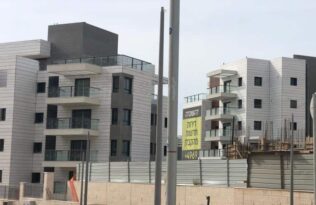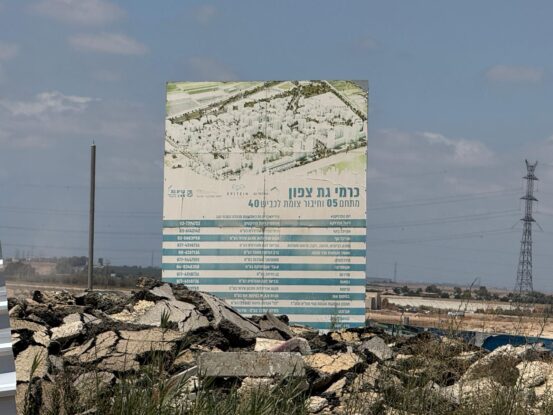
Carmei Gat Tzafon is a major new residential area planned as a northern extension of Carmei Gat, one of Israel’s fastest-growing and most sought-after communities. Building on the success of Carmei Gat’s modern infrastructure, family-friendly design, and rising demand, Carmei Gat Tzafon will introduce more than 6,000 new homes — 50% of which will be allocated as discounted housing. Unlike its predecessor, the new neighborhood will feature denser, high-rise construction and a fully public land framework, with plans for schools, parks, commercial areas, and a pedestrian promenade. Although construction is expected to span the next 4–5 years, Carmei Gat Tzafon offers a compelling long-term opportunity for buyers and investors seeking affordability, accessibility, and community in Israel’s south.
Over the past decade, Carmei Gat has undergone a remarkable transformation. Initially seen as a peripheral development on the edge of Kiryat Gat, the neighborhood has grown into a vibrant, family-oriented community — modern, affordable, and full of life. Now, a bold new chapter is about to begin with the creation of Carmei Gat Tzafon — the northern expansion of Carmei Gat — which promises to reshape the area once again.
Carmei Gat first gained popularity because of its value. Located in Israel’s southern region, it offered larger homes, more space, and modern infrastructure at prices that were far more accessible than anything available in the center of the country. While the location was initially considered distant, buyers were drawn to its accessibility — with proximity to major highways and the Kiryat Gat train station providing a convenient commute to Tel Aviv, Be’er Sheva, and even Jerusalem.
But price alone wasn’t the reason Carmei Gat thrived. The area was thoughtfully planned from the beginning. Wide streets, landscaped public spaces, high-quality infrastructure, and an abundance of playgrounds, schools, and green areas made it ideal for families looking to settle and grow. The neighborhood became a magnet for young couples and families who came with a pioneering spirit to build a neighborhood and stay for the long haul. The atmosphere was warm and inclusive, with a strong sense of community that made people feel at home almost instantly.

Over time, Carmei Gat began to attract buyers from across the country — not just from the south. Jerusalem residents began looking for alternatives as prices there soared. Young couples from Beit Shemesh, Modi’in and the center started exploring the south for more affordable options without compromising on lifestyle. Olim and religious families appreciated the blend of suburban peace and urban convenience. As demand increased, so did prices. Carmei Gat was no longer a hidden gem — it became one of the most in-demand new neighborhoods in the country.
Today, it’s home to a diverse and growing population. The housing stock includes everything from apartments to semi-detached homes and villas, many of which can be legally expanded. Residents enjoy easy access to shopping centers, schools, kindergartens, and healthcare services, as well as well-maintained parks and open spaces. The quality of life is high, and the word has spread.
As the neighborhood continued to fill up and prices climbed, attention naturally turned to what would come next. That question is now being answered with Carmei Gat Tzafon — located just north of the existing neighborhood, this new development will introduce an entirely new dimension to Carmei Gat.
High-Density Construction Replaces Low-Rise Living
What sets Carmei Gat Tzafon apart is its scale and structure, with plans to include more than 6,000 new residential units. This isn’t simply an extension of Carmei Gat — it’s a new neighborhood with its own identity, planning guidelines, and urban character. All the land will be publicly owned and released through government tenders. There will be no private land development in this phase, which ensures a level of planning consistency but also limits flexibility for individual buyers looking to customize or expand their homes.
Unlike the existing sections of Carmei Gat, which include many low-rise buildings and private homes on individually owned plots, Carmei Gat Tzafon will feature denser, more urban construction. Most of the buildings will be mid-rise and high-rise apartment blocks, designed to maximize housing availability while keeping prices relatively affordable. This is part of a broader trend in Israel’s housing policy — a shift toward building up rather than out, maximizing density, and improving affordability through public-private partnerships.
The neighborhood is expected to be self-contained and fully serviced. The plans call for schools, kindergartens, and early childhood centers, as well as community centers and public institutions. There will be retail spaces and commercial zones to serve the local population, along with generous public parks and green spaces. A pedestrian promenade — a scenic walkway designed for community use — will connect various parts of the neighborhood, creating a walkable, family-friendly environment.
A train station had also been planned in Carmei Gat Tzafon to provide connectivity to central Israel, but as of now, that plan has been suspended. This could have implications for long-term accessibility, though the neighborhood still benefits from relative proximity to Kiryat Gat’s existing train station and major highways.
Weaker Community Feel Due to Subsidized Housing
There’s also a clear socio-economic vision embedded in the plans. By setting aside 50% of housing for the subsidized housing scheme, Dira b’Hanacha, the government has signified its intent to make this neighborhood accessible to middle-income families who might otherwise be priced out of the market. While this will improve access for younger and less affluent buyers, it also brings certain social dynamics that are important to consider. Many of these buyers may not be long-term residents; some will rent out their homes or sell as soon as the restrictions expire. As a result, the community may initially feel more transient and less cohesive compared to the original Carmei Gat, where most homeowners were fully invested in building a stable, tight-knit environment. It remains to be seen how this will evolve over time, but it’s likely to influence the neighborhood’s character.
4–5 Years of Construction Before Livability
The construction phase has already begun, with infrastructure development currently underway, including roads, utilities, and groundwork for public facilities. So far, lots have been handed over to 16 different developers, and in the coming days, the full handover is expected to be completed. Yet, despite the progress, Carmei Gat Tzafon remains a long-term project. Most experts agree that the first stages will not be livable before 2029 or 2030, and possibly later depending on market conditions, infrastructure readiness, and government approval timelines.
In the coming years, the area will be a major construction zone. Buyers entering the pre-sale stage should expect several years of active development, characterized by the presence of cranes, noise, dust, and limited infrastructure.
A Golden Opportunity for Those With Patience
For those who can think ahead, Carmei Gat Tzafon represents something rare in today’s housing market: an opportunity to get in early and benefit from lower pricing, in a growing city with solid infrastructure, strong demand, and a proven track record of successful development. As with any investment, it is not without risk, but it carries significant potential — both financially and as a future home.
The type of buyer attracted to Carmei Gat Tzafon may differ from those who initially moved into Carmei Gat. With its higher urban density and lack of private housing options, the neighborhood is likely to appeal more to young couples entering the housing market for the first time, Olim and retirees with lower budgets, and investors seeking rental income and capital gains. While the community will certainly develop its own personality over time, it will likely have a different rhythm and feel than the quieter, more suburban Carmei Gat. Buyers seeking immediate occupancy, garden space, or a lower-density environment may be better off exploring available homes or new projects within the existing areas of Carmei Gat. See New Projects & Development in Carmei Gat
If you’d like to learn more about Carmei Gat Hatzafon or explore early-stage opportunities, contact us today. We’ll walk you through the process and help you decide whether this neighborhood is the right fit for your family or investment goals.
The Buyitinisrael Editorial team is made up of industry experts, journalists, researchers, editors, and translators working together to deliver reliable, up-to-date information about the Israeli property market — all in English. With a strong focus on transparency and accessibility, our goal is to empower English-speaking buyers by helping them understand the market and navigate the real estate process with clarity and confidence.
For inquiries, email [email protected].