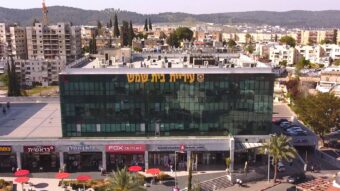
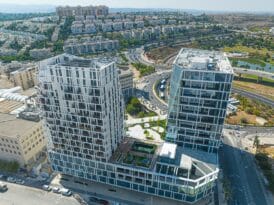
The National Planning and Building Council, chaired by Natan Elnatan, has approved the district master plan for the expansion of Kiryat Gat (TMM/4/14/93/1). The plan, which adds approximately 18,000 dunams west of the current urban area—west of Route 40 and east of the Carmei Gat neighborhood—will increase the city’s population to around 250,000 residents, and include a new area designated for the ultra-Orthodox community.
By Doron Breutman, Nadlan Center
According to the Planning Administration, the plan includes tens of thousands of new housing units for a diverse population, alongside employment zones, infrastructure, public institutions, and green open spaces. The design emphasizes accessibility to public transportation and railway stations, reflecting a vision of a smart, sustainable, and well-connected city. The council noted that the decision aligns with national planning policy, which encourages development within existing urban fabrics and the strengthening of significant urban centers in the periphery, with Kiryat Gat positioned as a leading city in the northern Negev.
Five objections were submitted, including by the Yoav and Lachish regional councils, which opposed the plan due to the loss of agricultural land within their jurisdiction. In a letter to the committee, the Yoav Regional Council warned that the plan’s approval “could cause significant loss of cultivated farmland—harming Israel’s food security and the rural character of the region.”

The Lachish Regional Council added that “the proposed plan will lead to an unreasonable and disproportionate reduction of no less than 7,000 dunams from its jurisdiction, most of which are among Israel’s most productive agricultural lands. Approval of the plan would divide the council’s territory, severely damaging agricultural areas and the rural lifestyle of its residents, and disrupting the balance between residential and agricultural land use.”
Rabbi Natan Elnatan, Chairman of the National Planning Headquarters and the National Council for Planning and Building, stated: “The approval of Kiryat Gat’s expansion is a significant step in strengthening the south and advancing a modern, high-quality urban space accessible to all. We see the south as a national growth engine, and this decision reflects our commitment to continue developing the region, building advanced infrastructure, and meeting the needs of future generations.”
Rafi Elmalich, Director-General of the Planning Administration, added: “This decision marks a major step in developing the south and positioning Kiryat Gat among Israel’s largest and best-planned cities. The plan is part of a strategic move to establish Kiryat Gat as a leading urban center that meets the needs of all population sectors—young people, families, seniors, and diverse communities.
“The city’s expansion will allow for new neighborhoods, advanced employment zones, and modern infrastructure, maintaining high planning standards and efficient connectivity to public transport. The Planning Administration views the south as a national growth engine and is promoting balanced, high-quality, and accessible development that will strengthen the entire region and shape the future of the Negev.”
A statement from the Kiryat Gat Municipality said: “Kiryat Gat is set to become one of Israel’s largest and strongest cities, both in residential and industrial development. Its industrial zone is expected to become one of the biggest in the country. We welcome this important decision and thank everyone involved. In the east, tens of thousands of additional housing units for the general population will soon be built under a roof agreement signed last week in the presence of Prime Minister Netanyahu and senior officials. To the west of Kiryat Gat, and alongside the city’s expansion, a new city is planned between Ashkelon and Kiryat Gat, designated for the ultra-Orthodox community.”

Nadlan Center is Israel’s leading real estate news and knowledge platform in Hebrew, created for industry professionals. Founded by experts in the field, it delivers in-depth, up-to-date coverage on urban renewal, planning and construction, taxation, and housing policy — tailored to the needs of developers, investors, planners, and financiers. In addition to its widely read news content, Nadlan Center hosts major industry events, professional conferences, and training programs that support the growth and development of the Israeli real estate sector.
Learn more: https://www.nadlancenter.co.il