In Israel, apartment living is far more common than freestanding homes—especially in cities and suburban areas. Whether you’re buying or renting, understanding what it’s like living in an Israeli apartment building can help you make more informed decisions and align your expectations for an easier landing. From building committees and shared spaces to parking, security, and the communal culture, here are seven things you should know before making the move.
One of the biggest lifestyle changes people face when moving to Israel is the difference in housing compared to what they’re used to. If you’re coming from North America or the UK, you may be used to a detached house with a driveway, backyard, multiple floors, and privacy from your neighbors. However, in Israel, especially in major cities that attract Anglo buyers, such as Tel Aviv, Jerusalem, and Netanya, the vast majority of people reside in apartments. While freestanding homes do exist, they’re typically found in rural areas or select affluent neighborhoods, and they are often out of budget.
Understanding what living in an Israeli apartment building is like—from layout and infrastructure to management and culture—can help you set realistic expectations and integrate more easily into your new home.
1. Apartment Types & Building Styles
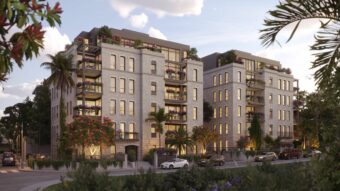
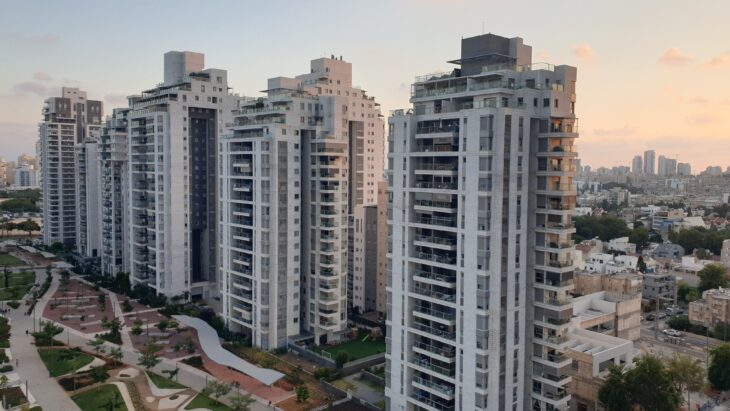
Israeli apartment buildings typically fall into one of three categories: low-rise walk-ups (3–5 stories without an elevator), mid-rise buildings (5–8 stories), and high-rises (12+ stories). Walk-ups are especially common in older city neighborhoods like Tel Aviv, Jerusalem, and Haifa. Mid-rises dominate most modern developments across the country, and high-rises are increasingly common in cities undergoing urban renewal, including Jerusalem, Bat Yam, and Beit Shemesh.

The layout and structure of attached homes can vary significantly, from simple two-bedroom units to luxurious penthouses, garden apartments with small yards, or duplexes that feel almost like a freestanding home. Real estate prices depend heavily on location, building age, and amenities—an older walk-up in central Tel Aviv might cost more than a spacious new apartment in a peripheral city.
2. Shared Spaces & Elevators
Most Israeli apartment buildings have shared features, such as a front entrance, stairwell, elevator, parking garage, or storage area. Some newer complexes may also have a shared garden, play area, party room or synagogue, while luxury projects may even include a pool or gym. The condition and upkeep of these spaces can vary depending on the building’s age, management, and level of resident involvement.
In older buildings—especially those built before the 1980s—it’s common to find 4-5-story walk-ups without elevators, while they’re standard in newer or taller buildings. In religious or mixed communities, some buildings also have a Shabbat elevator, which operates automatically on Shabbat and Jewish holidays, stopping at each floor to avoid the need to press buttons.
3. Building Committees & Maintenance
Every apartment building is overseen either by a volunteer committee of residents—known as a Va’ad Bayit—or by a professional management company. Monthly fees collected from residents cover essential services like cleaning stairwells, elevator maintenance, lighting for shared areas, and basic repairs. In older buildings, fees may be as low as NIS 50–150 per month, while in newer or luxury buildings, fees can range from NIS 500 to over NIS 2,000.
Periodic maintenance and upgrades, such as waterproofing, painting, lobby renovations, or elevator replacements, are typically funded by apartment owners. In some cases, urban renewal initiatives such as TAMA 38 or pinui-binui may offset the costs, especially when structural reinforcement is required for safety regulations.
4. Community Life & Privacy
Many Israeli apartment buildings foster a strong sense of community and belonging. Neighbors often greet one another, offer help, or share updates—especially around Shabbat and holidays. Most buildings have a WhatsApp group where residents coordinate maintenance, report issues, and exchange holiday greetings. Shared courtyards or rooftops may double as informal gathering spots, used for personal or communal sukkahs or simply enjoying a cup of coffee together with neighbors in the sun.
At the same time, living in an Israeli apartment building offers a close-knit, vibrant atmosphere. Especially in older buildings, soundproofing may not be as robust as in some other countries, so you might occasionally hear the sounds of life around you—neighbors’ footsteps, music, or conversation. For many, this is simply part of the friendly, communal energy that makes Israeli neighborhoods feel so alive and welcoming.
5. Parking & Storage
In Israeli cities, parking is a premium feature. Apartments in newer buildings typically include a designated parking spot, often in a secure underground garage. In older buildings, parking is less reliable—some offer shared or informal spaces, and many have none at all. In such cases, residents often rely on street parking, which can be limited and highly competitive. Some municipalities offer resident parking permits, but these do not guarantee a spot.
Storage is also a highly valued feature. A machsan—a private storage unit located in the basement, roof area, or adjacent to the parking lot—is commonly used to store off-season items, luggage, tools, or extra supplies. Not all apartments come with one, so it’s worth asking during your search. In family-friendly buildings, it’s typical to see strollers and bicycles left in lobbies or stairwells, though some buildings provide a designated room for them. How this is handled often depends on space, building rules, and resident cooperation.
6. Safety Features & Security
Most apartments built since the early 1990s include a mamad—a reinforced safe room designed to protect residents during missile attacks. While these rooms are now a standard part of residential construction, often used as a guest room or home office during quiet times, older buildings may have a shared shelter on each floor or a single communal shelter in the basement. Other buildings have no shelter at all. Especially since Operation Rising Lion, the need for accessible protection has become a non-negotiable for many people looking to buy or rent.
When it comes to general security, systems vary between apartment buildings. Some older buildings rely solely on a basic intercom or manual lock, while newer or upgraded buildings may include coded entry systems, video intercoms, and surveillance cameras. In high-end towers, features like gated entrances, electronic fob access, and 24/7 security guards are increasingly common. While these amenities provide added peace of mind, they also tend to increase monthly building fees.
7. Garbage and Recycling
Garbage disposal in Israeli apartment buildings is typically handled through shared outdoor bins or a trash room on the ground floor, as opposed to the in-unit garbage chutes more common in other countries. In well-managed buildings, garbage areas are cleaned regularly, but in others, they can become messy or attract pests.
Recycling systems depend on municipal policy and resident engagement. Some neighborhoods offer color-coded bins for paper, plastic, and glass, conveniently located right outside the building. In other cases, residents need to take recyclables to a nearby drop-off location. In environmentally conscious buildings, residents sometimes organize informal recycling stations. Composting remains a rare practice but is slowly gaining popularity in select communities.
Finding the Right Fit for Apartment Life in Israel
Living in an Israeli apartment building isn’t just about square footage or amenities—it’s about adapting to a shared way of life. From rooftop sukkahs and stroller-filled stairwells to Shabbat elevators and WhatsApp groups, the experience blends culture, community, and the practical realities of urban living. Yes, you may need to adjust to the noise, the parking situation, or the shared spaces—but for many, these trade-offs are outweighed by the sense of belonging and daily connection.
Whether you’re making aliyah, purchasing a vacation home, or simply downsizing from a freestanding house, understanding how Israeli apartment buildings function is key to choosing the right property. Buyitinisrael is here to help you navigate these differences—from decoding floor plans and building types to understanding what matters in your search. Wherever you’re coming from, we’ll help you buy a home in Israel that fits your needs, lifestyle, and budget.

Debbie Goldfischer is the founder and CEO of Buyitinisrael and the host of the Israel Real Estate Podcast: On The House. A prominent figure in real estate since 2004, Debbie has spent two decades helping foreign buyers successfully purchase homes in Israel. Seeing a lack of reliable, English-language resources for navigating the Israeli property market, she launched Buyitinisrael.com in 2020. In addition to leading the platform, Debbie is available to personally assist you in finding the right property—whether new or resale—anywhere in Israel.
To connect with Debbie, email [email protected].