By Li Sadon, Nadlan Center
According to data from the Jerusalem Municipality, 2025 marked an all-time record year for building permits in the capital, with approvals granted for 8,445 housing units. Roughly half of all permits issued during the year were granted as part of urban renewal projects, reflecting a significant acceleration in planning and licensing processes and a sharp increase compared to previous years.
The Jerusalem Municipality summarized 2025, noting that the past year set an unprecedented record, with permits issued for 8,445 housing units (compared to 7,701 in 2024), of which 4,092 were approved within the framework of urban renewal (compared to 3,044 in 2024). According to the municipality, 31 neighborhoods across the city are currently undergoing evacuation-and-redevelopment (pinui-binui) processes, led by Kiryat Yovel, Gilo, Armon HaNatziv, Kiryat Menachem, Gonenim, and Talpiot.
According to the municipality, this achievement was made possible by streamlining planning and licensing procedures and reducing bureaucracy, which significantly contributed to the surge in permit issuance. For comparison, until 2019, the annual average stood at approximately 2,500 housing units approved through permits. As of today, around 23,000 housing units are currently under construction throughout the city.

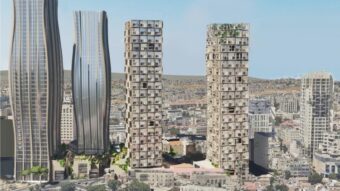
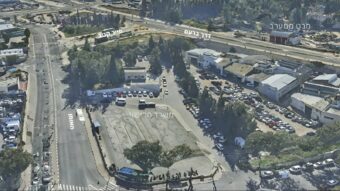
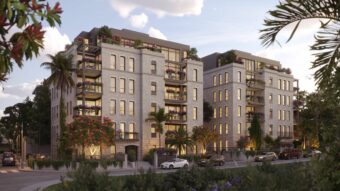
Among the notable urban renewal projects that received building permits over the past year are the Derech Hebron complex by the Barzani Company (1,019 housing units), the Almalich complex in Gonenim (Katamonim) by the Beit Yerushalmi Group (667 housing units), the Ktsin Silver complex in Talpiot by Aura (603 housing units), the San Martin complex by ICR (406 housing units), and another Derech Hebron complex by the Dunietz Company (334 housing units).
In addition, according to municipal data, building permits for approximately 142,000 square meters of office space were issued in 2025. These include the “Jenari 3” complex in Kiryat HaLeom (approximately 83,000 square meters), the GATI complex in Malha (approximately 41,000 square meters), and an excavation permit for an additional building in the Gav-Yam complex on the Hebrew University campus (approximately 42,000 square meters). Permits were also issued for the construction and excavation of 738 new hotel rooms.
Municipal revenues from paving and betterment levies totaled NIS 1.123 billion in the past year (compared to NIS 1.078 billion in 2024). These funds will be invested in the development of the city and its public spaces.
Jerusalem Mayor Moshe Lion stated: “The revolution continues. Over the past year we achieved an unprecedented record on the path to solving the housing challenge and building the city’s future. More than any other city in Israel, all while making optimal use of land and preserving green and open spaces. Urban renewal, together with high-rise construction are the central tools helping to increase the housing supply in the city. This achievement will enable us to attract a strong population, assist young couples in building their homes here, and help meet strong demand while raising the quality of life for all residents. We will continue along this path, which is a central pillar in Jerusalem’s continued growth.”
Meta description (one line):

Nadlan Center is Israel’s leading real estate news and knowledge platform in Hebrew, created for industry professionals. Founded by experts in the field, it delivers in-depth, up-to-date coverage on urban renewal, planning and construction, taxation, and housing policy — tailored to the needs of developers, investors, planners, and financiers. In addition to its widely read news content, Nadlan Center hosts major industry events, professional conferences, and training programs that support the growth and development of the Israeli real estate sector.
Learn more: https://www.nadlancenter.co.il