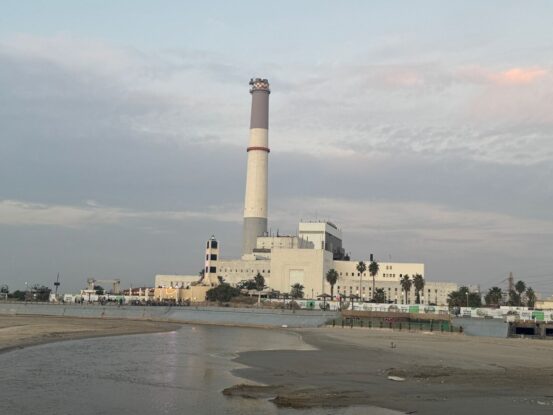
ILA and the Ministry of Environmental Protection reported that initial soil investigations at Sde Dov uncovered groundwater contamination with PFAS. The tests will be expanded to ensure thorough treatment before construction begins on thousands of apartments in the new district. Developers who won land tenders will be updated on the steps to be taken.
The massive new neighborhood in the Tel Aviv metropolitan area may face delays. The Ministry of Environmental Protection and the Israel Land Authority (ILA) announced today (Wednesday) that initial soil investigations recently carried out in the Sde Dov district—the large new neighborhood planned for northern Tel Aviv—revealed groundwater contamination in the area. “Out of responsibility for public health, the Israel Land Authority will act in coordination and close cooperation with all relevant bodies,” the statement said, adding that developers who won land tenders will be updated on the measures to be implemented.
According to the announcement, the initial soil investigations conducted at the former Sde Dov airport site in Tel Aviv identified PFAS (per- and polyfluoroalkyl substances) originating from years of firefighting foam use. Following the findings, the Ministry and Rami are working to expand soil investigations and assess the impact of the contamination on the coastline and the sea.
The site, which served for decades as both a military and civilian airport, underwent a soil investigation and remediation process between 2020 and 2023 that was approved by the Ministry, in accordance with the professional requirements for soil investigation and remediation that were in effect at the time. It should be noted that during that period, the Ministry did not have binding policy guidelines on PFAS contaminants in soil; therefore, these substances were neither tested for nor treated as part of the Sde Dov soil remediation project.

Following guidance from the Water Authority, groundwater investigations were carried out at the site between 2022 and 2025. The findings indicated that PFAS concentrations exceeded drinking water thresholds. It is emphasized that the groundwater contamination at the site does not pose a danger to water sources used for drinking water production. However, groundwater contamination constitutes an environmental risk, given that the site is designated for residential construction. During development works, contaminated soils may be removed to unauthorized disposal sites, potentially posing a risk to water sources, as well as due to the proximity and possible impact on the coastal and marine environment.
In light of these findings, the Ministry of Environmental Protection has initiated immediate steps to assess the extent of the contamination and associated risks. These include soil sampling down to development depths to examine the distribution profile of contaminants across different soil layers, sand sampling along the coastline, and a rapid study to determine risk-based threshold values for remediating soil contaminated with PFAS.
The Ministry of Environmental Protection and Rami emphasized that all actions will be implemented under strict supervision and that this is a preventive step to provide certainty to developers while ensuring thorough, comprehensive treatment of the contamination, safeguarding public health and the environment. “The Ministry and Rami will continue to update the public as needed,” the statement said.
Avi Haim, Senior Deputy Director General for Licensing and Risk Prevention (acting) at the Ministry of Environmental Protection, said: “The Ministry of Environmental Protection is acting immediately to manage risks by expanding the investigation of contamination in the area, issuing professional guidelines, and increasing monitoring at the site and along the coastline. The Ministry will continue to work in cooperation with Rami and all relevant bodies, while protecting public health and the environment.”
Tali Morali, Director of the Tel Aviv District at the Israel Land Authority, said: “Out of responsibility for public health, the Israel Land Authority will act in coordination and close cooperation with all relevant bodies, first and foremost the Ministry of Environmental Protection. The Authority is committed to transparency with the public and with the contractors who won the tenders and will provide updates in accordance with developments and findings. The Authority sees national importance in advancing development in the Sde Dov district and in adding thousands of housing units in central Tel Aviv, while fully balancing development needs with environmental protection and safeguarding public health.”

Nadlan Center is Israel’s leading real estate news and knowledge platform in Hebrew, created for industry professionals. Founded by experts in the field, it delivers in-depth, up-to-date coverage on urban renewal, planning and construction, taxation, and housing policy — tailored to the needs of developers, investors, planners, and financiers. In addition to its widely read news content, Nadlan Center hosts major industry events, professional conferences, and training programs that support the growth and development of the Israeli real estate sector.
Learn more: https://www.nadlancenter.co.il