Yishuv life is about more than just a home — it’s about living with purpose in the heart of the Land of Israel. For many families, Anglos, and new olim, choosing a yishuv means embracing community, connection to the land, and a pioneering spirit that continues the story of the Jewish people. Set against the backdrop of Judea and Samaria’s hills and valleys, these communities offer affordable housing options, a strong sense of safety and security, and a lifestyle rooted in history, faith, and shared values. For those seeking space, belonging, and meaning, yishuvim provide an inspiring place to build a future.
When many Israelis and Diaspora Jews talk about “yishuv life,” they’re not just referring to small, quiet towns. They mean something more specific: life in the Jewish communities of Judea and Samaria—known as yishuvim. For those considering buying a home in a yishuv, the lifestyle offers a unique blend of open space, strong community ties, and access to more affordable housing not easily found in Israel’s cities.
Spread across the biblical heartland of Israel, these communities appeal to families, retirees, and ideologically motivated movers alike. Whether you’re planning your aliyah, exploring property options, or simply curious about what daily life looks like in these areas, here’s what you need to know.
What is a Yishuv?
Historically, the Hebrew word yishuv, meaning “settlement,” referred to all Jewish communities in the Land of Israel before the establishment of the state in 1948. The “Old Yishuv” typically referred to long-standing Jewish communities in cities like Jerusalem, Tzfat, and Hebron, while the “New Yishuv” described the Zionist pioneers who established the first agricultural communities, kibbutzim, and moshavim.

But in modern Israeli usage, particularly since the 1970s, yishuvim refer specifically to Jewish communities located over the Green Line, in Judea and Samaria (known internationally as the West Bank). These communities range in size and character—from small religious hilltop outposts with a few caravans to large, suburban-style localities with thousands of residents. As of 2024, there were around 130–150 official yishuvim in the West Bank, plus over 100 unofficial outposts (ma’achazim), with a combined Jewish population exceeding 470,000.
What unites these communities is a combination of location, lifestyle, and values. Many residents are drawn by ideology—Zionism, religious connection to the land, or national identity. Others come for practical reasons: affordable homes, strong communities, open space, and a higher standard of living that’s hard to find in the crowded center of the country.
Where are Yishuvim Located?
By definition, yishuvim are located throughout Judea and Samaria, stretching from the hills south of Hebron to the valleys north of Jenin. Some are just minutes from the Green Line—like Alfei Menashe, Elkana, and Efrat—while others are deeper inside the territory, such as Itamar, Shilo, or Susya. Most yishuvim fall under regional councils, such as Gush Etzion, Binyamin, and Samaria, and have some degree of internal self-governance via elected committees.
Some communities are within daily commuting distance of Jerusalem or Tel Aviv, making them attractive to families who want a quieter, more affordable lifestyle without giving up access to urban jobs and services. The communities of Gush Etzion, for example, are just 15–20 minutes from Jerusalem, and yishuvim in the Binyamin region are linked by Route 443 and Highway 60 to both the capital and the coastal plain.
Life on a Yishuv: What to Expect
Population and Housing
Yishuvim range in size from a few dozen families to several thousand. While the vast majority are small to mid-sized communities, others like Ma’aleh Adumim, Ariel, and Modi’in Illit, have grown into semi-suburban towns or small cities.
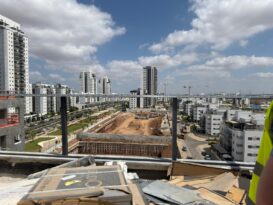
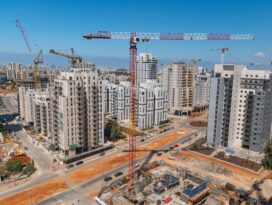
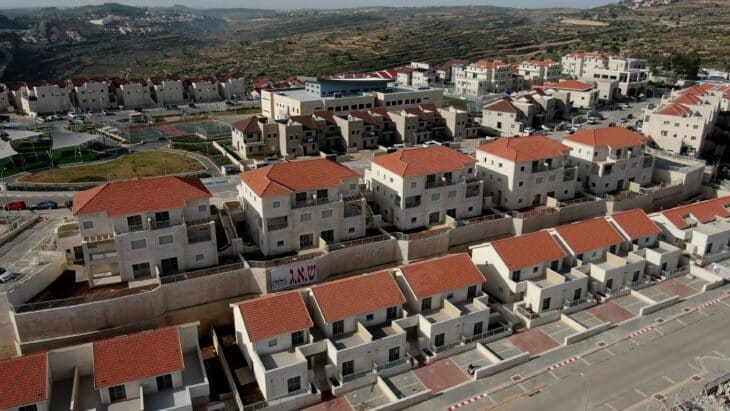
Most yishuvim have single-family homes, duplexes, and low-rise apartments, often with private gardens, parking spaces, and generous living areas, when compared to cities. Newer developments and larger yishuvim feature modern construction and even apartment buildings, usually with large balconies offering scenic views.
Community and Religious Life
While many people assume all people living on yishuvim are religious, according to a 2020 CBS survey, the population is evenly split between those who define themselves as ultra-Orthodox, religious-Zionist, and secular. That said, many yishuvim—particularly those popular among Anglos—are religious-Zionist in character, with vibrant communal life centered around active synagogues, Torah learning, and a weekly rhythm shaped by Shabbat and holiday observance. There are also several large ultra-Orthodox cities, such as Beitar Illit and Modi’in Illit, which have a combined population of more than 145,000.
There are also a handful of mixed yishuvim, such as Tekoa and Kfar Adumim, which were intentionally founded by both secular and religious residents seeking to build a shared, respectful community. These yishuvim embrace a live-and-let-live attitude and offer a heterogenous community that’s difficult to find outside Israel’s major cities.
Children and Education
In general, children thrive on yishuvim. As smaller communities with a strong ethos of communal responsibility, kids grow up with a rare degree of freedom and independence. They often walk or bike to school, visit friends freely, and spend time in nature.
Most yishuvim have local preschools and kindergartens, while elementary and high school students may attend regional educational networks. Some communities have their own schools, and others bus children to nearby towns. Education options generally reflect the religious character of the community, with religious-Zionist, mixed, or ultra-Orthodox schools, and growing numbers of integrated or alternative schools. Youth movements, like Bnei Akiva and Ezra, are active in nearly every yishuv, offering weekly activities, summer programs, and leadership opportunities.
Commuting and Amenities
While many residents work from home or in local industries, many commute daily to jobs in Jerusalem, Tel Aviv, or nearby industrial zones. For this reason, most households own at least one car, as public transportation—while improving—is still limited in some areas. Some yishuvim are located along major highways with access to bus lines, but others remain more isolated, making private vehicles essential for work, errands, and school transport.
In terms of amenities, many larger yishuvim feature small shopping strips or commercial zones, with small grocery stores, cafes, bakeries, and hardware shops. Residents may need to travel to their nearest city, town, or junction—like Tzomet HaGush or Sha’ar Binyamin—for larger supermarkets, banks, pharmacies, household good, clothing stores, and restaurants.
Medical services vary by location. Many yishuvim have a local health clinic affiliated with one or more of the Kupot Holim (such as Clalit or Maccabi), as well as private practitioners, such as therapists and dentists. For specialist care and hospitals, residents typically travel to the nearest city.
Security and Safety
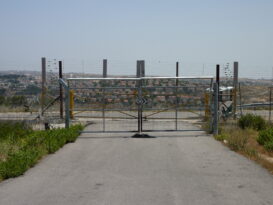
Security is a real consideration when living in Judea and Samaria, with many yishuvim located in close proximity to neighboring Palestinian villages. While many yishuvim have peaceful day-to-day lives, their location requires certain precautions, especially on shared roads or in shopping areas. Most have gated entrances, private security teams, and coordination with the IDF.
Some areas are considered safer and more stable, particularly those within the “settlement blocs” like Gush Etzion or Ariel. Others may be closer to flashpoints of tension and should be carefully evaluated before purchasing. That said, for residents, a strong sense of resilience and communal responsibility often outweighs concerns. Many report feeling safer than in urban areas, thanks to heightened community awareness, IDF presence, and gated communities.
Why People Choose Yishuv Life
Living on a yishuv in Judea and Samaria is about more than geography—it’s about lifestyle, values, and community. Yishuvim attract a wide range of residents, from young families seeking space, safety, and a supportive environment for raising children, to Anglos and new olim looking for affordable homes, a pioneering spirit, or a lifestyle closer to what they’re used to abroad. Retirees are drawn to the quiet, rural atmosphere and strong sense of community, while ideological movers see yishuv life as a meaningful expression of Zionist or religious identity. Across all these groups, there’s a shared appreciation for the close-knit social fabric, independence for children, and connection to the land.
Finally, real estate prices are generally lower than comparable housing inside the Green Line, especially in the center of the country. For many Israelis and Anglos alike, buying a home in a yishuv offers access to spacious housing, scenic surroundings, and a community-oriented way of life that can be hard to find in the country’s urban centers.
Buying a Home in a Yishuv: What You Need to Know
There are several paths to buying a home in a yishuv, including purchasing a second-hand house, buying a plot to build on, or joining a new construction project. Many yishuvim have active resale markets, often advertised through local Facebook or WhatsApp groups. Prices vary widely, from NIS 2.3–3.5 million in popular areas like Gush Etzion and Binyamin, to under NIS 1.5 million in more remote locations. Some communities also offer private plots, usually through tenders or internal development plans, where residents can build custom homes—though this route requires more time and coordination.
New housing projects are another common option, often marketed to families already renting on the yishuv. These may include duplexes, townhomes, or small apartment buildings, with prices ranging from NIS 1.7 to 2.8 million. In many yishuvim, prospective buyers must pass through an acceptance committee (va’adat kabbalah) to join the community. Additionally, since much of the land is technically leasehold—managed by the Settlement Division or Israel Land Authority—it’s essential to work with professionals familiar with the legal and logistical nuances of buying a home in a yishuv.
Making Yishuv Life Your Own
Whether driven by ideology, affordability, or lifestyle, buying a home in a yishuv in Judea and Samaria offers something unique in the Israeli real estate landscape: community-oriented living in the land where Jewish history runs deep.
For those looking to raise a family, find space and quiet, or be part of something rooted and meaningful, the yishuvim of Judea and Samaria remain a powerful option to consider.
The Buyitinisrael Editorial team is made up of industry experts, journalists, researchers, editors, and translators working together to deliver reliable, up-to-date information about the Israeli property market — all in English. With a strong focus on transparency and accessibility, our goal is to empower English-speaking buyers by helping them understand the market and navigate the real estate process with clarity and confidence.
For inquiries, email [email protected].