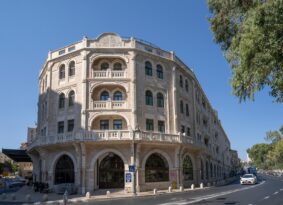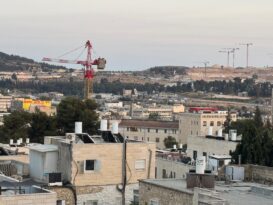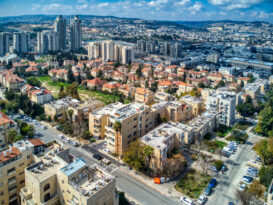
A unique initiative is moving forward in the Koresh Compound in Jerusalem, less than 200 meters from the Old City walls, following the selection of a development team by residents and the submission of initial planning concepts to the municipality. If approved, the plan will introduce approximately 450 new homes in one of the most tightly constrained and historically sensitive areas of central Jerusalem, a location where opportunities for new residential construction rarely appear.
A major urban renewal plan is advancing in Jerusalem’s Koresh compound, one of the most sensitive and strategically located redevelopment sites in the capital, less than 200 meters from the Old City walls and adjacent to Mamilla and the hotel district. The proposal includes replacing approximately 220 residential and mixed-use units and replacing them with about 450 new apartments, integrated with retail frontage, employment space, and supporting urban uses appropriate to such a central and historically significant environment.
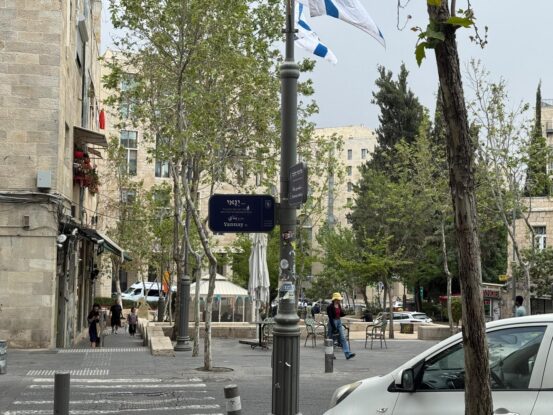
The Koresh compound sits between King Solomon Street, Koresh Street, Yanai Street, and Uzi Hasson Street, a location that physically connects the historic Old City basin with Jerusalem’s modern downtown core. Sites that bridge these two urban worlds are particularly unusual, as most surrounding areas are already fully built or protected from major redevelopment.
The plans include a continuous four-story podium structure that maintains the traditional downtown block form, with several terraced residential buildings rising above it at varying heights of approximately 12 to 18 floors. Lower buildings are positioned closer to the Old City, while taller structures face toward the modern city center. The design also incorporates active rooftop green areas intended for shared community use, along with underground parking, a critical feature in such a dense central location.
Planning the project presents unusual challenges
Because of its proximity to the Old City walls, strict height limitations and preservation constraints apply. Most of the land in the compound is owned by the Armenian Patriarchate, which adds a legal and planning layer not typically present in standard urban renewal schemes in Jerusalem.

Another significant complexity affecting the feasibility of the project is the requirement to pay a partial betterment levy of approximately 25%. Unlike many residential areas in Jerusalem that benefit from exemptions, the compound, close to the old city, falls within a designated zone where improvement levies still apply, affecting overall project economics.
Connecting historic areas with contemporary urban fabric
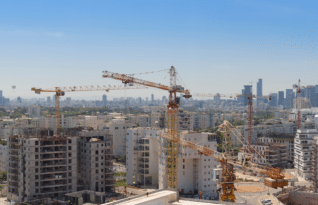
Despite the challenges of this initiative, redevelopment at this location reflects a broader long-term trend: the gradual transformation of underutilized central Jerusalem sites into mixed-use residential districts. Large-scale residential redevelopment opportunities this close to the Old City are extraordinarily rare. and the limited availability of buildable land inside Jerusalem’s historic core means that projects of this type appear only occasionally, sometimes once in a generation. At the same time, several existing buildings in the area have already received structural safety warnings, highlighting the urgency of long-term regeneration.
Because central Jerusalem offers so few remaining sites for large-scale residential construction, projects like the Koresh compound have outsized importance for the future of housing in the historic core. The area sits at a rare intersection between tourism infrastructure, employment centers, and established residential neighborhoods, making it one of the last locations where new housing can meaningfully expand the downtown living environment.
The Buyitinisrael Editorial team is made up of industry experts, journalists, researchers, editors, and translators working together to deliver reliable, up-to-date information about the Israeli property market — all in English. With a strong focus on transparency and accessibility, our goal is to empower English-speaking buyers by helping them understand the market and navigate the real estate process with clarity and confidence.
For inquiries, email [email protected].