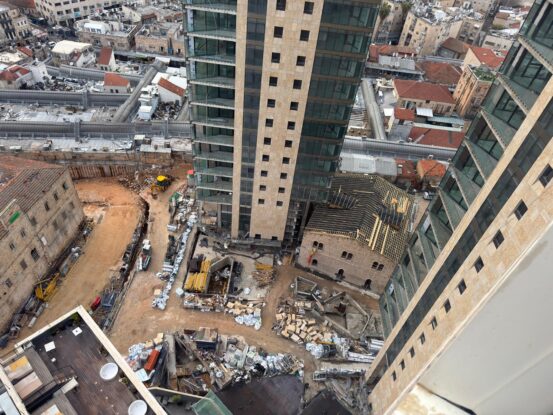
A coordinated purchase by a U.S.-based Jewish community has resulted in the sale of two residential towers in central Jerusalem, totaling approximately 200 apartments, in a transaction estimated to exceed NIS 1 billion. The deal, described by industry figures as the largest of its kind involving foreign buyers in Israel, highlights continued demand from overseas Jewish communities despite a challenging period in the local housing market, and reflects broader global trends shaping buyer behavior.
A landmark real estate transaction has taken place in Jerusalem, as a Jewish community from the United States purchased two residential towers in the city center, totaling approximately 200 apartments. The deal, estimated to exceed NIS 1 billion, is being described by industry figures as the largest transaction ever carried out in Israel involving foreign buyers.
The purchase was completed through a coordinated effort by representatives within the Syrian Jewish community in the United States, primarily based in New York. According to reports, the acquisition did not occur in a single day but rather unfolded gradually over an extended period, culminating in the full sale of both towers to members of the same community.
The transaction was first revealed on Israeli television news and immediately drew widespread attention across the real estate sector, both for its scale and its timing. The deal comes amid a challenging period for Israel’s housing market, characterized by slower sales, cautious local buyers, and increasing financial pressure on developers.

About The Project
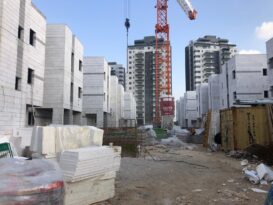
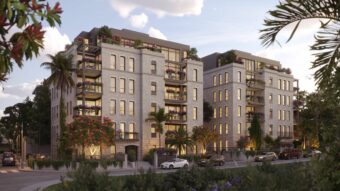
The project is located in the “Etz Chaim” complex in central Jerusalem, adjacent to the Mahane Yehuda Market area, one of the city’s most active commercial and residential zones. The area has undergone significant urban renewal in recent years, a factor that has contributed to its appeal among overseas buyers seeking long-term flexibility alongside rental and lifestyle potential.
While the broader development includes additional residential and mixed-use components, the current transaction involved the full acquisition of two residential towers, comprising approximately 200 apartments in total.
The project is being developed by JTLV, a real estate investment fund active in large-scale residential, commercial, and mixed-use developments across Israel, operating in partnership with private and institutional investors. In this project, JTLV is working with the B.S.R Group, a long-established real estate company controlled by its founder, Nachshon Kiviti.
An Unprecedented Transaction
The scale of the transaction is widely viewed within the industry as unprecedented in the Israeli housing market, both in terms of volume and overall value. Deals of this size, involving the coordinated purchase of hundreds of apartments by overseas buyers, are extremely rare and underscore the exceptional nature of the transaction.
Beyond its financial magnitude, the deal is being seen as a meaningful signal for the broader real estate sector. At a time when developers are facing slower sales, cautious local buyers, and ongoing market uncertainty, the successful sale of two full residential towers provides a clear indication that demand from abroad remains strong and decisive.
Industry professionals note that transactions of this kind offer more than short-term relief. They help restore confidence, demonstrate market depth beyond local demand, and reinforce the role of overseas Jewish buyers as a stabilizing force during challenging periods for the Israeli housing market.
Not a Classic Buyer Group
The buyers are from the Syrian Jewish community in the United States, a community known for its strong internal cohesion and emphasis on family and communal institutions. Many members of the community maintain deep ties to Israel, even if they currently reside abroad. According to industry sources, not all of the buyers intend to relocate to Israel immediately. Some have children already living in Israel — serving in the military or studying — while others view the purchase as a long-term strategic decision rather than an imminent move. Overall, the purchase reflects a strong vote of confidence in Israel’s long-term future, and in Jerusalem in particular.
Despite the coordinated nature of the purchase, industry figures stress that this was not a traditional “buyer group” structured around collective bargaining for discounted pricing. Instead, it was an organized concentration of individual purchases by families from the same community, all choosing to buy within the same project. While buyer groups in Israel are often associated with reduced prices and alternative purchasing models, the apartments in this project were sold at market-level pricing. The motivation was not financial arbitrage, but proximity, community continuity, and long-term planning.
Broader Global Context
Clearly, the global rise in antisemitism has played a meaningful role in driving renewed interest in property ownership in Israel. Over the past two years, Jewish communities in the United States, Europe, Australia, and elsewhere have reported rising levels of antisemitic incidents, contributing to a growing sense of insecurity. According to figures in the real estate sector, this climate has prompted many families to reassess long-term plans and strengthen their tangible connection to Israel.
At the same time, these purchases are not generally driven by panic. Instead, they are often described as strategic moves intended to “prepare the ground,” creating future options rather than triggering immediate relocation.
Implications for Developers
For Israeli developers, the Jerusalem deal carries important implications. It highlights the potential of overseas, community-based demand at a time when local demand has softened, and underscores the need for a different approach when engaging with foreign buyers.
Developers are increasingly recognizing that successful international marketing requires clear communication in English, transparency around pricing and timelines, and an understanding of cultural and community priorities.
Why Jerusalem Remains a Focal Point
Israel — and Jerusalem in particular — continues to hold a unique position among Jewish communities worldwide, combining religious significance, cultural identity, and deep emotional attachment. Industry data shows that Jerusalem’s housing market has remained relatively resilient compared to other regions, even during periods of broader market slowdown. Overseas Jewish buyers are often less sensitive to short-term price movements, motivated more by belonging and long-term security.
The Buyitinisrael Editorial team is made up of industry experts, journalists, researchers, editors, and translators working together to deliver reliable, up-to-date information about the Israeli property market — all in English. With a strong focus on transparency and accessibility, our goal is to empower English-speaking buyers by helping them understand the market and navigate the real estate process with clarity and confidence.
For inquiries, email [email protected].