After four rate cuts this year, the Bank of Israel has hit pause and held its benchmark rate at 3.25%. Inflation is low enough to justify another cut, so why did it wait? Here are the four reasons behind the decision and what the bank’s latest data means for mortgages, home prices and rents.
The Bank of Israel‘s Monetary Committee held its benchmark rate today (Wednesday) at 3.25%. It had cut four times since January, from 4.25%, and the last three cuts came back-to-back, ending with the September 1 cut. The bank said the effects of its earlier moves are not yet fully visible and need to be monitored before it acts again. The next decision is due on November 23.
Four Reasons the Bank Held Back
Inflation alone would have allowed another cut. Consumer prices fell 0.5% in September, which brought annual inflation down to 1.6%, slightly below the midpoint of the 1%–3% target range. The bank expects 1.5% inflation for 2026, helped by a cut in the fuel excise tax.
It held anyway, for four reasons:

- The shekel: It has weakened 3.1% against the US dollar since the previous decision.
- Global rates: The US Federal Reserve and the European Central Bank each raised rates by a quarter point at their latest meetings, and markets now expect about three more hikes over the coming year.
- Energy: Brent crude rose about 15%, to around $110 a barrel.
- Labor: The labor market remains tight, with unemployment at 3.3% and job vacancies high.
The bank expects inflation to rise to 2.1% in 2027. It points to higher oil prices, the weaker shekel and the return of the fuel excise to its previous level.
Mortgages: Prime Holds at 4.75%
The prime rate, which sits 1.5 percentage points above the benchmark and underpins most Israeli mortgages, stays at 4.75%. Monthly payments on variable-rate loans are unchanged. New mortgage borrowing came to about NIS 10.3 billion in September.
The bank’s research division expects the Israeli interest rate to average 3% in the third quarter of 2027, which means one more quarter-point cut. Private forecasters and market pricing both put it at 3.1%. Anyone holding out for much cheaper credit may be waiting a long time.
Prices Down, Rents Up
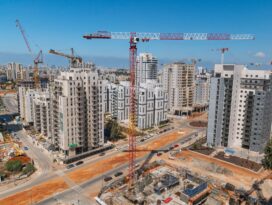
Home prices in Israel fell 0.6% over July and August and are 1.8% lower than a year ago. Transactions slowed over the summer after rising in the spring, though they have been fairly stable over the full year. The stock of unsold new homes is stable but high, which gives buyers more room to negotiate.
Rents are moving the other way. Rents rose 5.3% over the year on leases where a new tenant moved in, and 2.4% on renewals with the same tenant. The housing component of the consumer price index held at 3.8% annual growth in September. The Governor stressed that housing supply needs to stay high over time. On that front, construction activity remains strong: building permits and completions are high, although housing starts slipped slightly from a year earlier.
Growth With an Asterisk
The bank’s headline forecasts are strong: GDP growth of 5.6% in 2026 and 7.5% in 2027, assuming fighting stays at its current low intensity. For the first time, though, the bank also published figures that exclude production abroad by Israeli companies. This is output that relies very little on Israeli workers or capital.
Without that production, growth comes to 3.4% in 2026 and 5.1% in 2027, and the bank treats those figures as the better measure of the domestic economy. Even on that basis, GDP is about 3.7% below its long-term trend. Other indicators are encouraging. The September business survey returned to its pre-Operation Roaring Lion level, and high-tech companies raised about $5 billion in the third quarter, similar to earlier in the year.
Budget and Political Risks
The Bank projects a 4.4% deficit of GDP in 2026, down from its July estimate of 4.9%, and 4.6% in 2027. That assumes no defense spending beyond what the budget already provides. Debt is expected at about 68% of GDP this year. The bank warned that if the defense budget grows without offsetting measures, both the deficit and inflation could rise.
The bank noted that 2027 is expected to begin under an interim budget and that the 2027 defense budget has not been set. It called for cutting spending that harms growth, using public funds more efficiently, and widening the tax base by getting more people into work, which would ease pressure for tax increases.
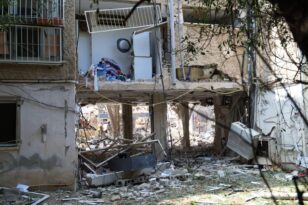
The bank’s list of risks includes renewed fighting, a worsening conflict with Iran, a possible eurozone debt crisis and wider sanctions on Israel. It also lists political risks after the elections: no clear government, deeper social divisions and damage to the independence of state institutions.
The Bottom Line
The Israel interest rate is on hold, and further cuts are likely to be slow and small. For the housing market, that means stable borrowing costs, gently falling prices and continued upward pressure on rents. With unsold inventory high and price growth reversed, this market rewards preparation and negotiation more than waiting for the next interest rate move.
The Buyitinisrael Editorial team is made up of industry experts, journalists, researchers, editors, and translators working together to deliver reliable, up-to-date information about the Israeli property market — all in English. With a strong focus on transparency and accessibility, our goal is to empower English-speaking buyers by helping them understand the market and navigate the real estate process with clarity and confidence.
For inquiries, email [email protected].