A group of American investors has bought 14 apartments in a new development in south Netanya for approximately NIS 54 million. Nadlan Center first reported the deal today. It follows a billion-shekel community purchase in Jerusalem and reflects a growing trend: overseas Jews are increasingly buying homes in Israel as a group instead of making individual purchases, and that change says a lot about how they see Israel and what developers need from them.
Nadlan Center first reported the purchase today (Wednesday). A private group of high-net-worth American buyers signed for 14 apartments, including several penthouses, in a large new residential project in south Netanya. The total was about NIS 54 million, or roughly NIS 3.86 million per unit. According to those involved, it is the largest single transaction in the project so far, and negotiations took nearly six months.
The deal matters less for where it happened than for what the buyers plan next. The group is not limiting itself to Netanya and is actively looking at apartments in other projects across Israel. That makes this purchase part of an ongoing buying program, not a one-off bet on a single city. It also fits a clear pattern.
The Wider Pattern
Over the past year, bulk property deals by foreign investors and organized Jewish communities from the United States have become more frequent and much larger. The biggest so far closed in Jerusalem in December 2025. An American Jewish community, organized largely through New York’s Syrian Jewish community, bought two residential towers in the city center for about 200 families, in a deal valued at more than NIS 1 billion. Industry figures called it the largest foreign-buyer transaction ever completed in Israel. Further south, in the Carmei Gat neighborhood, a single project has sold dozens of apartments to buyers from the United States and the United Kingdom.

The motives behind these deals vary. The Jerusalem purchase was mainly about a community securing homes for its families. The Netanya group appears more investment-minded. Many Kiryat Gat buyers plan to make aliyah or are buying for children who may move first. What they have in common is the method. Instead of flying in one family at a time to view apartments and negotiate alone, buyers pool their money, appoint representatives, and approach developers as one. Group buying has existed in Israel for a long time, but overseas buyers have rarely used it on this scale.
Why Developers Welcome Group Buyers
The timing is not a coincidence. Israel’s new-home market has been slow for an extended period. Many developers are carrying large stocks of unsold apartments while paying high financing costs on land and construction. To keep sales going, many have relied on incentives such as deferred payment plans, subsidized mortgages, and flexible payment schedules that would have been unusual a few years ago.
For a developer in that position, a group buyer solves several problems at once. One signed agreement for a dozen or more units brings in significant revenue in a single transaction. It improves the project’s sales record, which matters to the banks and insurers financing construction. It also reduces the risk of carrying unsold stock while the buildings go up. Reports on the Netanya deal note that bulk property deals of this kind may include discounts or financing benefits that individual buyers don’t necessarily receive. No such terms have been disclosed in this case, but the incentive for developers to offer them is clear.
The most common structure is the kvutzat rochshim, or buyers’ group, which joins a project where the developer is already in place. Members negotiate together for better pricing and early access, while the developer remains responsible for planning, permits, and construction. Coming in together at an early stage of a project is where buyers’ groups gain the most leverage, as Buyitinisrael explains in its look at why early-stage deals deliver big wins for buyers’ groups.
What This Tells Us About Foreign Demand
The clearest message is about commitment. Israel has been through a long period of war, political uncertainty, and a slow housing market. While many domestic buyers have held back, waiting for prices to soften or interest rates to fall, overseas Jewish buyers have often done the opposite. For them, the instability has not been a reason to wait.
The second message is that foreign demand is becoming organized. More and more buyers want to purchase alongside friends, family, and their own communities. They want to take advantage of group terms, and many would rather have someone organize the process for them. People also tend to act more decisively together than on their own, and when friends and neighbors are committing, nobody wants to miss out. Bulk property deals give these buyers the scale to sit across the table from major developers as equals.
The third message is about geography and priorities. Overseas buyers used to focus on the more expensive areas of Jerusalem and Tel Aviv. Today, many are willing to look further afield, to the coast and to more affordable cities in the south. Israeli prices have climbed, foreign currencies have weakened against the shekel, and property values in many buyers’ home countries have fallen. Reality is setting in, and buyers are adjusting to it by looking in less expensive places.
Finally, there is the developers’ side. With local demand weak and overseas buyers committed, developers are putting enormous effort and resources into reaching diaspora communities, from marketing professionals and campaigns to events and meetings abroad. That is likely to bring more projects marketed directly to these communities and more flexible terms for organized groups. None of this predicts where prices will go, but it does show who is buying and why.
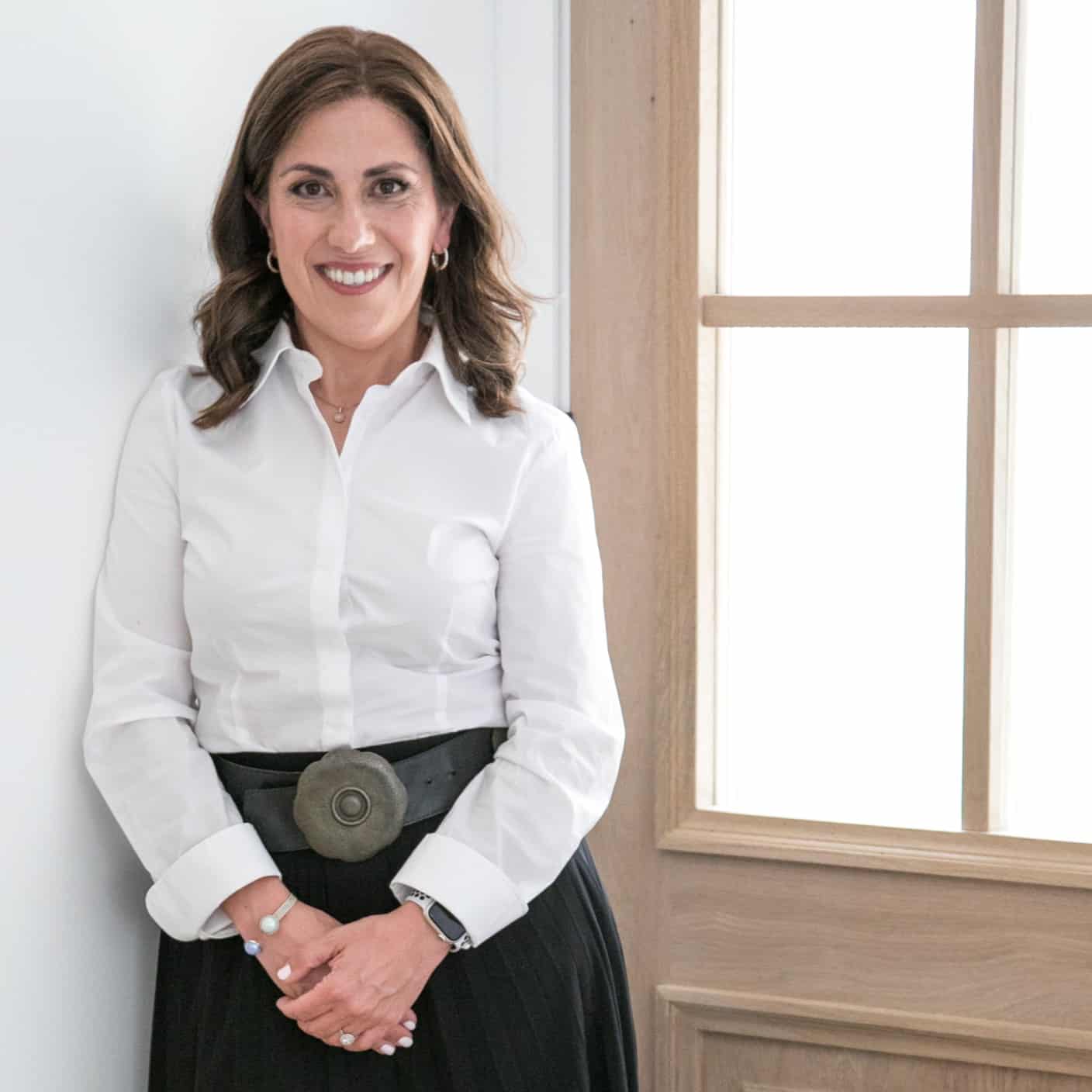
Debbie Goldfischer is the founder and CEO of Buyitinisrael and the host of the Israel Real Estate Podcast: On The House. A prominent figure in real estate since 2004, Debbie has spent two decades helping foreign buyers successfully purchase homes in Israel. Seeing a lack of reliable, English-language resources for navigating the Israeli property market, she launched Buyitinisrael.com in 2020. In addition to leading the platform, Debbie is available to personally assist you in finding the right property—whether new or resale—anywhere in Israel.
To connect with Debbie, email [email protected].