As part of one plan, 180 old apartments will be demolished, and six towers of up to 40 floors will be built, including 5,300 square meters of commercial space. The second project will include the demolition of old railway-style buildings and the construction of two towers with 287 apartments, commercial areas, and—precedent-setting—a new elementary school to be built within the complex.
By Doron Breitman, Nadlan Center
In Jerusalem’s Katamonim neighborhood, the Bayit Yerushalmi Group and Isracap Grand Group announced that they have received demolition and excavation permits for two joint projects they are promoting. The total number of housing units across both projects is 957 apartments.
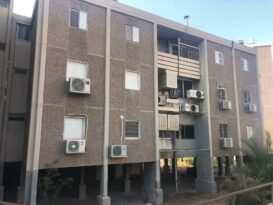
The first project to receive a permit is known as “Katamon Towers”. Under this plan, six old buildings containing 180 apartments will be demolished and replaced with four towers totaling 670 apartments. Two of the towers will rise to 40 stories and two to 20 stories, alongside 5,300 square meters of commercial space. The project is located on Bar Yochai and Almalich streets and was designed by architect Rachel Feller from the Yaski Mor Sivan Architects office.

An additional project that received a demolition and excavation permit is the “Katamonim City” project, located on Bar Yochai and Yitzhak Sadeh streets. Under this plan, two old railway-style residential buildings containing 72 apartments will be demolished, and in their place, two 30-story towers will be built, comprising 287 new apartments. In addition, a commercial floor of 1,280 square meters will be constructed, and, in a precedent-setting move, an elementary school will be established within the complex. Architect Amit Mendelkeran of A2O Architects designed the project. The ERM law firm accompanies both projects.
Avishai Meirovitz, VP of Business Development at Bayit Yerushalmi, said the company is pleased to receive the first execution permits for two projects that are important to both the company and neighborhood residents. He noted that this project, together with additional projects advancing in Katamonim, is not only changing the neighborhood’s appearance but is also creating real social change. Veteran residents will return to new apartments after the evacuation period, alongside new residents—young couples and families seeking to improve their housing conditions—together creating a rich and diverse human fabric in the renewing neighborhood.
Israel Abuhatzira, CEO of Isracap Grand, said that the execution permits represent significant news for the company and for the apartment owners in the complexes who have walked together with them throughout the process. He explained that the projects were designed with a long-term vision, emphasizing very high planning quality both within the complexes and in their urban connection to the renewing surroundings, the light rail, and nearby leisure areas. He added that the company views these projects as a significant engine for urban renewal in the neighborhood.

Nadlan Center is Israel’s leading real estate news and knowledge platform in Hebrew, created for industry professionals. Founded by experts in the field, it delivers in-depth, up-to-date coverage on urban renewal, planning and construction, taxation, and housing policy — tailored to the needs of developers, investors, planners, and financiers. In addition to its widely read news content, Nadlan Center hosts major industry events, professional conferences, and training programs that support the growth and development of the Israeli real estate sector.
Learn more: https://www.nadlancenter.co.il